

Guarantee on All Products

Collection and Delivery Options

Open Monday to Friday 8-4pm
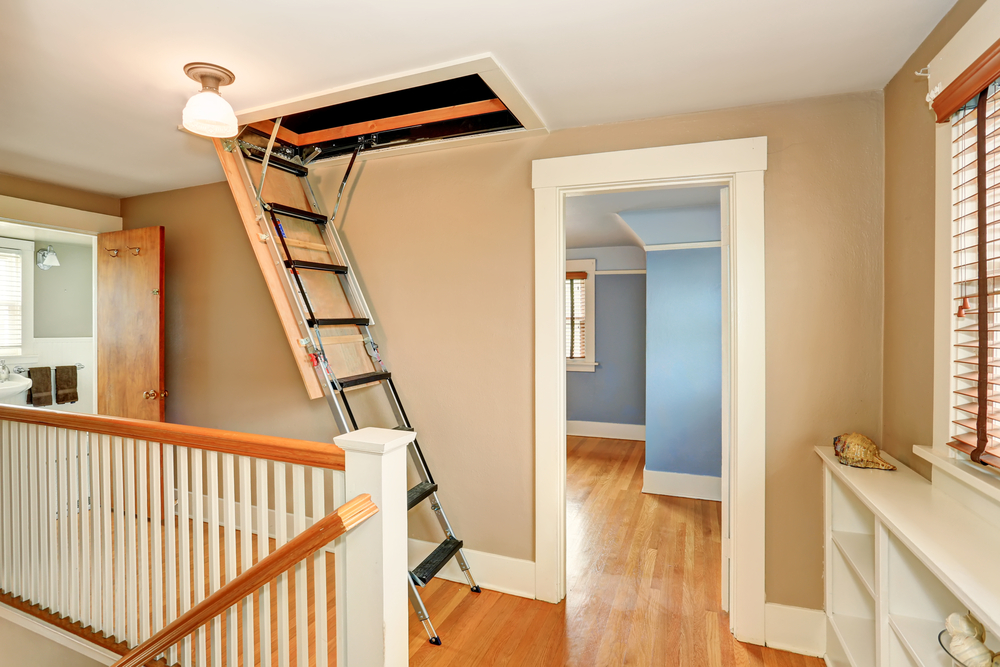
When optimising vertical space in residential or commercial settings, choosing the right attic access solution is crucial. For professionals in the construction industry, the decision between a timber and an aluminium loft ladder involves more than just aesthetics; it also encompasses factors such as load capacity, thermal performance, installation efficiency, and long-term durability.
At LB Supplies, we recognise that an attic ladder serves as a practical link between living areas and storage. Below, we provide an industry-standard comparison to help you determine which material best fits your next project.
In high-end residential renovations, timber loft ladders are considered the gold standard. Typically made from high-quality Nordic spruce or pine, these ladders offer several technical advantages:
For high-traffic environments or projects where space and weight are primary concerns, aluminium is often the most practical choice for attic access.
| Feature | Timber Loft Ladders | Aluminium Loft Ladders |
| Duty Rating | High (Typically 150kg+) | Medium to High |
| Insulation | Excellent (U-Value optimised) | Standard (Depends on Hatch) |
| Weight | Heavy / Solid | Lightweight / Agile |
| Installation | Requires precision fitting | Often more adjustable |
| Best For | Residential homes / Comfort | Utility / Modern Apartments |
As an industry leader, we recommend evaluating the specific environmental requirements before making a purchase.
If your project prioritises high energy efficiency and a premium tactile experience, a timber loft ladder is the best option. However, if you are working with limited space or need a cost-effective, durable solution for frequent access, aluminium offers the necessary strength and resilience.
Selecting the right loft ladder involves careful consideration of design, functionality, and safety. Whether you are upgrading an existing attic or planning for new construction, it’s essential to choose a ladder that complies with the latest safety standards (EN 14975) and thermal regulations.
Browse LB Supplies today to explore our complete range of professional-quality loft ladders and attic access solutions.