In modern architectural design and urban development, the effective use of external space is a crucial value driver. However, the terminology used to describe elevated outdoor areas is often confused. For professionals in the field, understanding the technical differences between terraces and balconies is essential for complying with building regulations, planning structures, and meeting client expectations.
At LB Supplies, we specialise in the hardware that enables these spaces. Below, we outline the core differences between roof terrace installations and standard roof balconies.
1. Structural Foundations and Positioning
The main differentiator between these two features is their structural relationship to the building’s main envelope.
- Roof Terrace: A roof terrace is a flat area situated on the roof of a building or on a setback of a lower floor. It is supported by the floor beneath it. Because it sits atop a functional building volume, it typically offers a larger footprint, enabling substantial landscaping or outdoor living areas.
- Balcony: In contrast, balconies are elevated platforms that project from the side of a building’s wall. Consoles, brackets, or pillars usually support them, and unlike a terrace, they do not have a living space directly beneath them in the same structural sense.
2. Scale and Utility: Terrace vs. Balcony
When advising clients on property value and utility, size is a significant factor.
- Terrace: Due to its placement on a flat roof, a terrace often functions as an “outdoor room” when a canopy is installed. It is usually large enough to accommodate dining sets, lounging areas, or even intensive green roofing. In high-density urban areas, a combination of roof and terrace is a premium asset that effectively extends the property’s usable square footage.
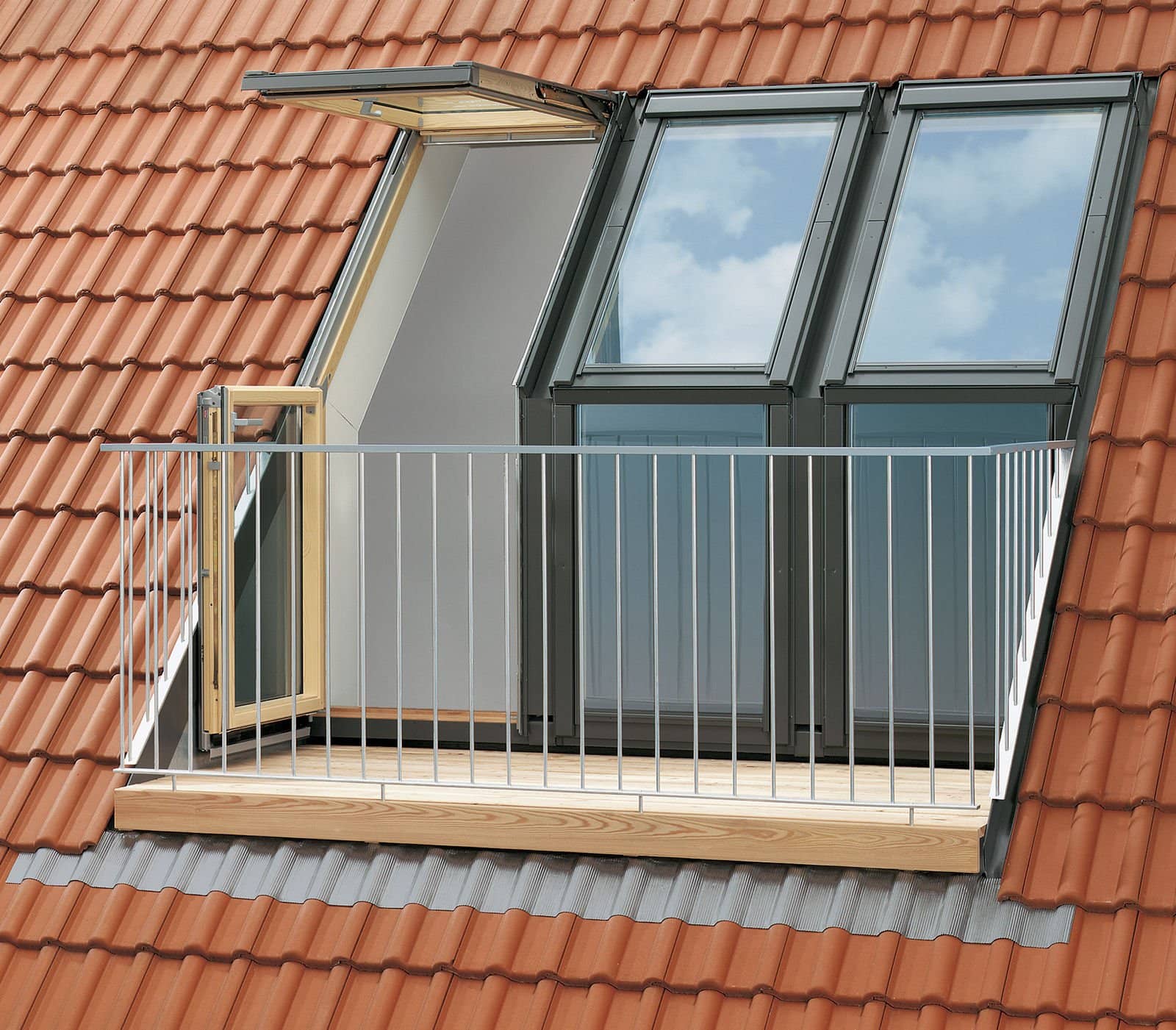
- Balcony: A roof balcony, such as those created by the innovative “Cabrio” style roof windows, is generally more intimate. Its purpose is to provide immediate access to fresh air, natural light, and views without necessitating major structural changes or the larger footprint associated with a full terrace.
3. Planning and Building Regulations
From a professional standpoint, the distinction also has regulatory implications. In the UK, both features often require planning permission, but considerations can differ:
- Privacy and Overlooking: Balconies typically face greater scrutiny for privacy concerns regarding neighbouring properties due to their protrusion.
- Load Bearing: A roof terrace requires thorough structural analysis to ensure the roof’s load-bearing capacity can support the “live load” of occupants and furniture, as well as the “dead load” of decking and planters.
- Drainage and Waterproofing: While both installations require careful engineering, a terrace requires a more complex waterproofing system because it sits directly above a habitable interior space.
4. Specifying the Right Solution
For developers looking to integrate these features into a loft conversion or new build, the decision often depends on the existing roof pitch and available space.
- Pitched Roofs: A roof balcony system, like the Velux Cabrio, is a popular choice. It provides a balcony-like experience that fits flush with the roofline when closed, preserving the building’s profile while offering the appealing feature of an outdoor extension.
- Flat Roofs: A full roof terrace installation is the best way to reclaim otherwise unused space, providing a significant unique selling point (USP) for luxury residential developments.
Conclusion: Elevating Your Build
Whether you are specifying a wide-spanning roof terrace for a commercial project or integrated balconies for a residential loft, the objective remains the same: to bridge the gap between the interior and the environment. Understanding the technical nuances of terraces vs. balconies ensures you deliver a project that is structurally sound and visually impressive.
Are you planning an upcoming project? Explore our range of roof window solutions designed to create the perfect roof balcony at LB Supplies.